







Search Results for: Coffee Drink Distinctions
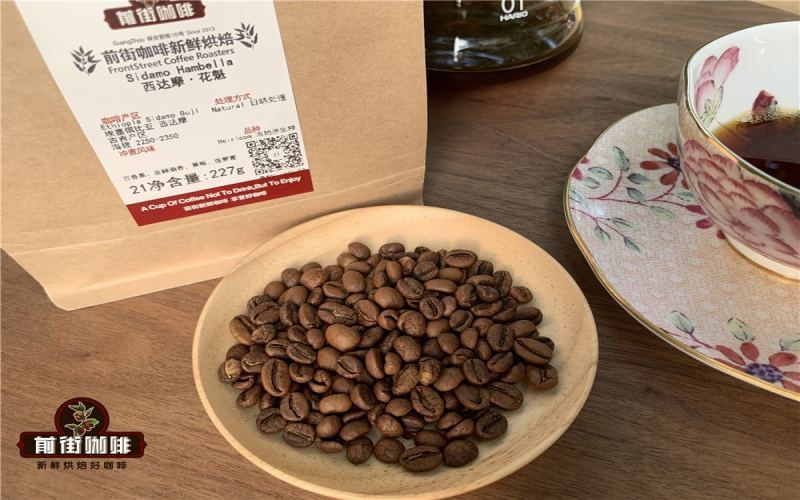
Ethiopia Guji Hambela Huakui Coffee Beans Flavor Analysis and Pour-Over Parameter Guide
Huakui coffee beans are a gem from Hambela in the Guji region of Ethiopia. With a stunning strawberry-cream flavor, they won the 2017 TOH competition and were subsequently named "Huakui" by a domestic green bean merchant. These beans come from the Buku Abel processing station and use the natural processing method. Fully red cherries with a sugar content above 30 are dried on African raised beds, creating a sweeter taste than other Sidamo producing areas. From 1.0 to 6.0, the Huakui series is updated every year, and the flavor has gradually evolved from intense strawberry to a full-bodied profile of citrus berries and mango juice. Front Street Coffee has long tracked each version of Huakui. This article will comprehensively sort out the origins and development of these beans for coffee lovers, from producing-area background, processing techniques, and variety characteristics to version distinctions, brewing suggestions, and flavor descriptions. [more…]
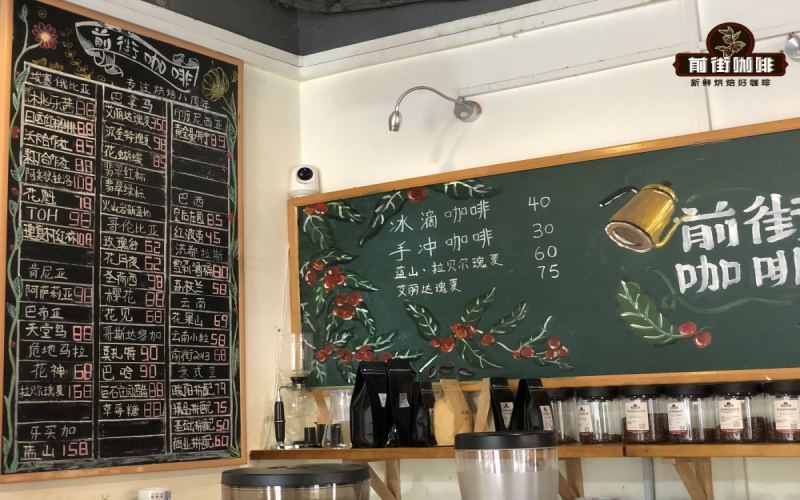
Indonesian Lintong Mandheling Coffee Flavor Analysis: Golden Mandheling Taste Characteristics and Brewing Key Points
As a representative coffee from the Sumatra region of Indonesia, Mandheling has secured its place in the specialty coffee wave with its rich, full-bodied taste and unique herbal flavors. This article focuses on Lintong Mandheling and PWN Golden Mandheling, outlining their varietal origins, wet-hulling process, grade distinctions, and flavor differences, while also sharing Front Street Coffee's roasting approach and brewing recommendations. Whether you prefer bright floral and fruity notes or a deep, full-bodied profile, you'll find a complete guide to understanding Mandheling here. [more…]
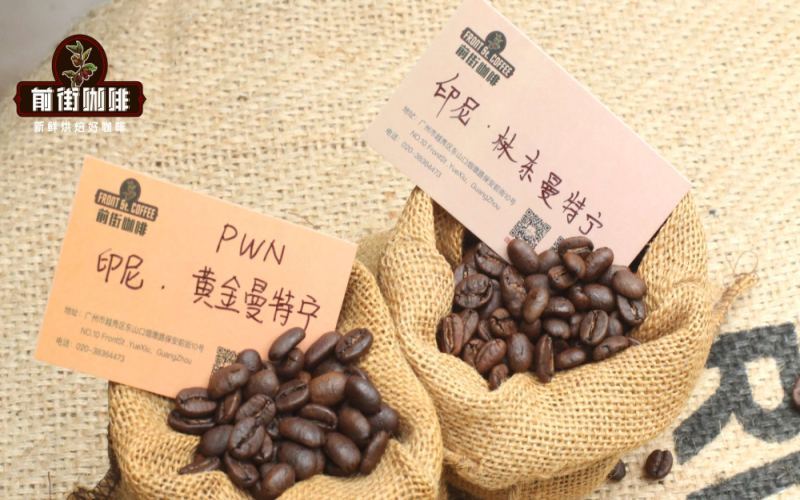
A Comprehensive Analysis of the Flavor Characteristics, Variety Differences, and Price Variations of Indonesian PWN Golden Mandheling Coffee
The Mandheling family encompasses a wide range of varieties. Although they are all known for their full-bodied, solid character, each has its own personality due to differences in origin and processing method. Among them, the Golden Mandheling produced by Indonesia's PWN company is regarded as a high-end specialty within Mandheling, and it shows clear distinctions from Front Street Coffee's Lintong Mandheling in terms of cleanliness, sweetness, and spice notes. This article will begin with the classification of Mandheling, sort out the origin information, grade standards, and flavor profile of PWN Golden Mandheling, and compare it with ordinary Mandheling G1 in terms of mouthfeel and price. It will also include the pour-over parameters recommended by Front Street Coffee to help coffee enthusiasts gain a clearer understanding of this Sumatra classic. [more…]
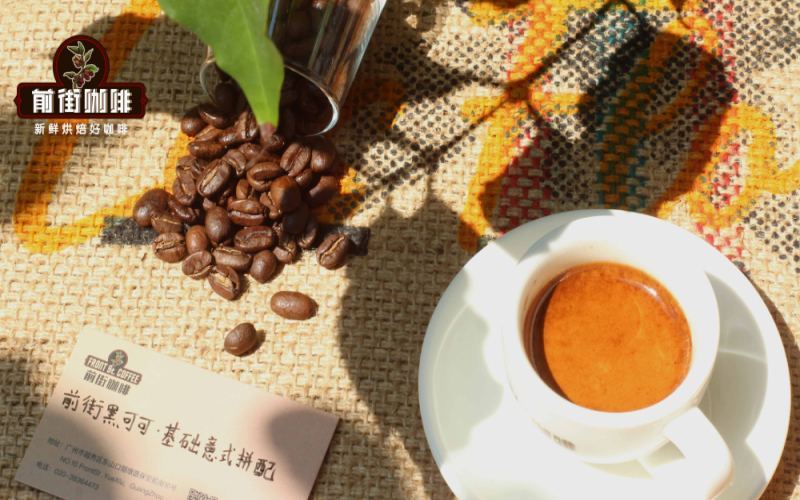
How to Make a Delicious Americano with Espresso Blend Beans? Colombian and Brazilian Bean Pairing and Front Street Coffee Recipe Analysis
To make a delicious Americano with a drip coffee machine, the choice and blending approach of the blend beans is crucial. This article begins with the definition of coffee blending and the two methods of raw blending and roasted blending, sorts out the goals, principles, and steps of blending, explains the purposes of blending such as stabilizing flavor and balancing taste, and introduces the characteristics and limitations of single-origin SOE. It then provides three espresso blend recipes from Front Street: Specialty Blend (Colombia Huila + Brazil Cerrado), Commercial Blend (Colombia + Brazil + Robusta), and Dark Cocoa Blend (Yunnan AA + Brazil), along with the distinctions and preparation methods of fancy coffees such as latte, cappuccino, flat white, and affogato, as well as the key points for making Americano black coffee. [more…]
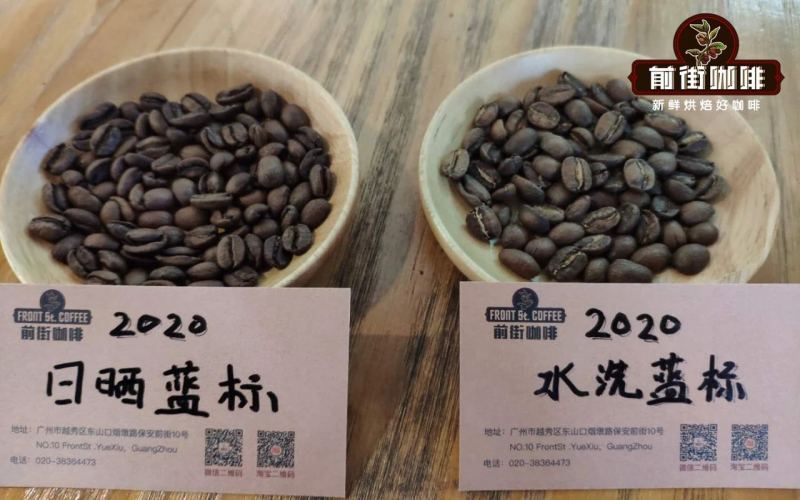
Hacienda La Esmeralda Blue Label Geisha Renamed Las Rocas? 2021 Pour-Over Recipe and Volcanic Rock Flavor Full Analysis
In 2020, Hacienda La Esmeralda introduced a natural process for its Blue Label Geisha, delighting many coffee lovers; however, in 2021 the estate announced that it would retain only the Red Label and Green Label series, and the Blue Label seemed to quietly exit the stage. Just as speculation was rife, a batch of Panamanian Geisha named Las Rocas quietly appeared on the market, and according to Front Street Coffee, this is precisely the rebranded Esmeralda Blue Label batch. This article sorts out the grade classifications and flavor differences among Hacienda La Esmeralda's Red Label, Green Label, and Blue Label, reviews the whole story of the Blue Label's "disappearance" and "reappearance," and introduces the washed processing characteristics and pour-over approach for this Las Rocas Volcanic Rock Geisha, providing coffee fans who love Blue Label Geisha with a complete reference for purchasing and brewing. [more…]
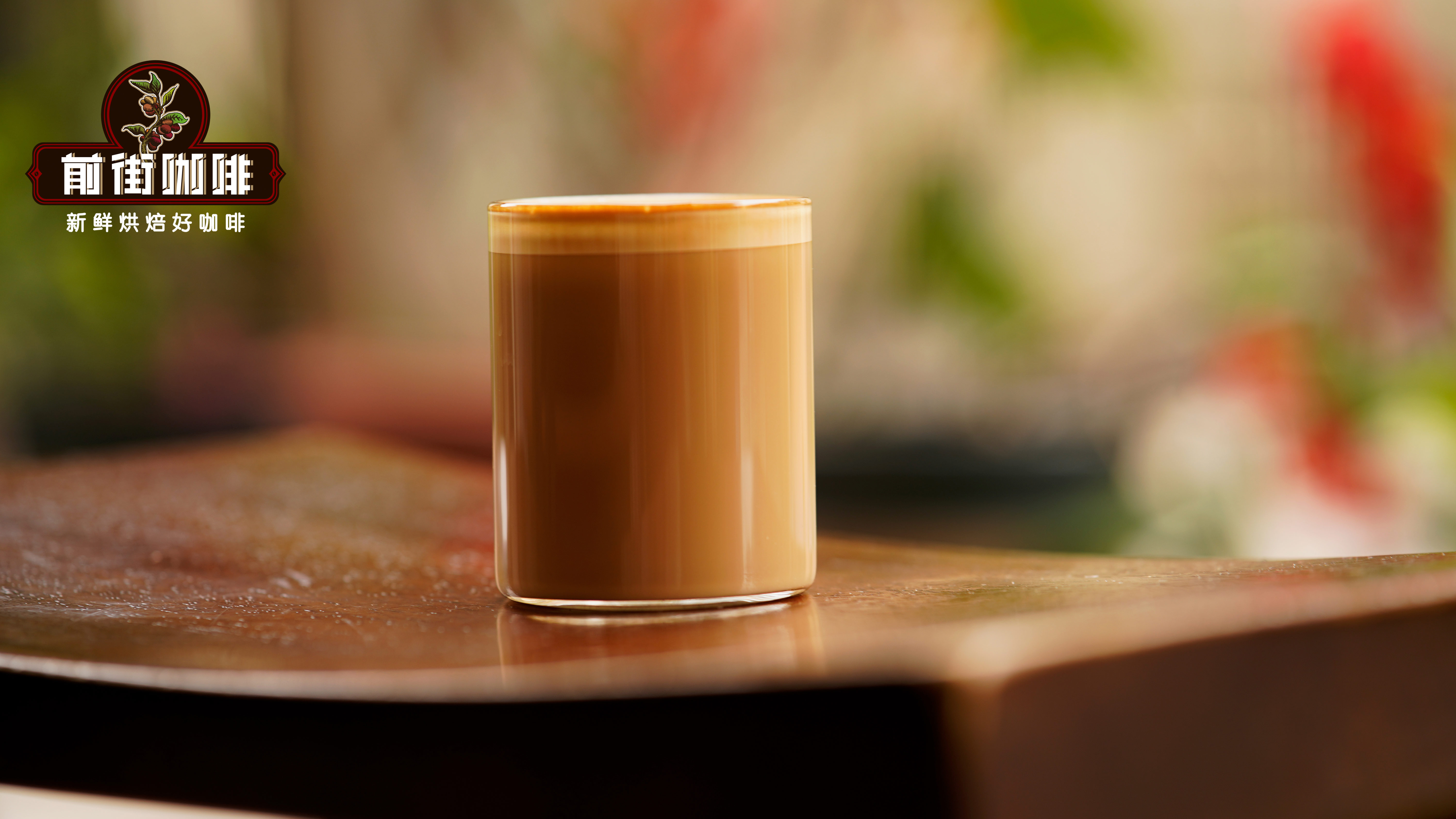
What's the difference between Starbucks Flat White and Australian White? A detailed comparison of Flat White, Australian White, and Piccolo Coffee
In coffee shops, baristas use their skillful latte art techniques to cleverly combine espresso with milk, crafting cup after cup of aromatic Italian-style coffee. Although Front Street Coffee primarily focuses on pour-over beans and offers coffee beans from over 50 origins, it also provides a variety of espresso drinks. Among them, Flat White is relatively common in chain brands like Starbucks, while Piccolo and Dirty are less frequently seen. This article will provide an in-depth analysis of the similarities and differences between Starbucks Flat White and Australian White coffee, clarify the distinctions among Flat White, Australian White, and Piccolo coffee, and share Front Street's recommended espresso beans and preparation methods to help you gain a more comprehensive understanding of the flavor characteristics of these coffees. [more…]

Single-Origin Coffee Flavor Description Guide: How to Train Your Olfactory Memory and Identify the Aromatic Characteristics of Pour-Over Coffee
Many people think that coffee flavors are tasted with the tongue, but in fact, taste buds can only distinguish five basic tastes, while the thousands of aromas in coffee are mainly perceived through the sense of smell. Front Street Coffee is often asked by customers how to scientifically learn coffee tasting and whether there is a quick way to identify flavors. The answer is simple—drink with attention and drink often—but behind it lies a trainable logic of sensory memory. This article will share how to improve flavor recognition by labeling flavors and building olfactory memory points, and use citrus fruits as an example to explain how to start from daily life and gradually identify the aroma characteristics of pour-over coffee. [more…]

A customer ordered an iced latte but received an iced americano; the shop's claim that "an americano latte has no milk" has sparked doubts about their professionalism.
A customer ordered two iced lattes but received two iced Americanos instead. When the customer complained, the shop actually told them that "an Americano latte has no milk" — an absurd scene that recently sparked heated discussion on social media. Even more laughably, when the shop made the wrong iced matcha latte, they suggested the customer microwave it themselves. This exchange left the customer exclaiming that the shop was "woefully ignorant," and prompted netizens to question: if they cannot even distinguish basic drink categories, how can they run a coffee business well? In today's fiercely competitive coffee industry, where exactly lies the professional threshold for practitioners? This article walks you through the incident and explores the basic qualities a barista should possess. [more…]
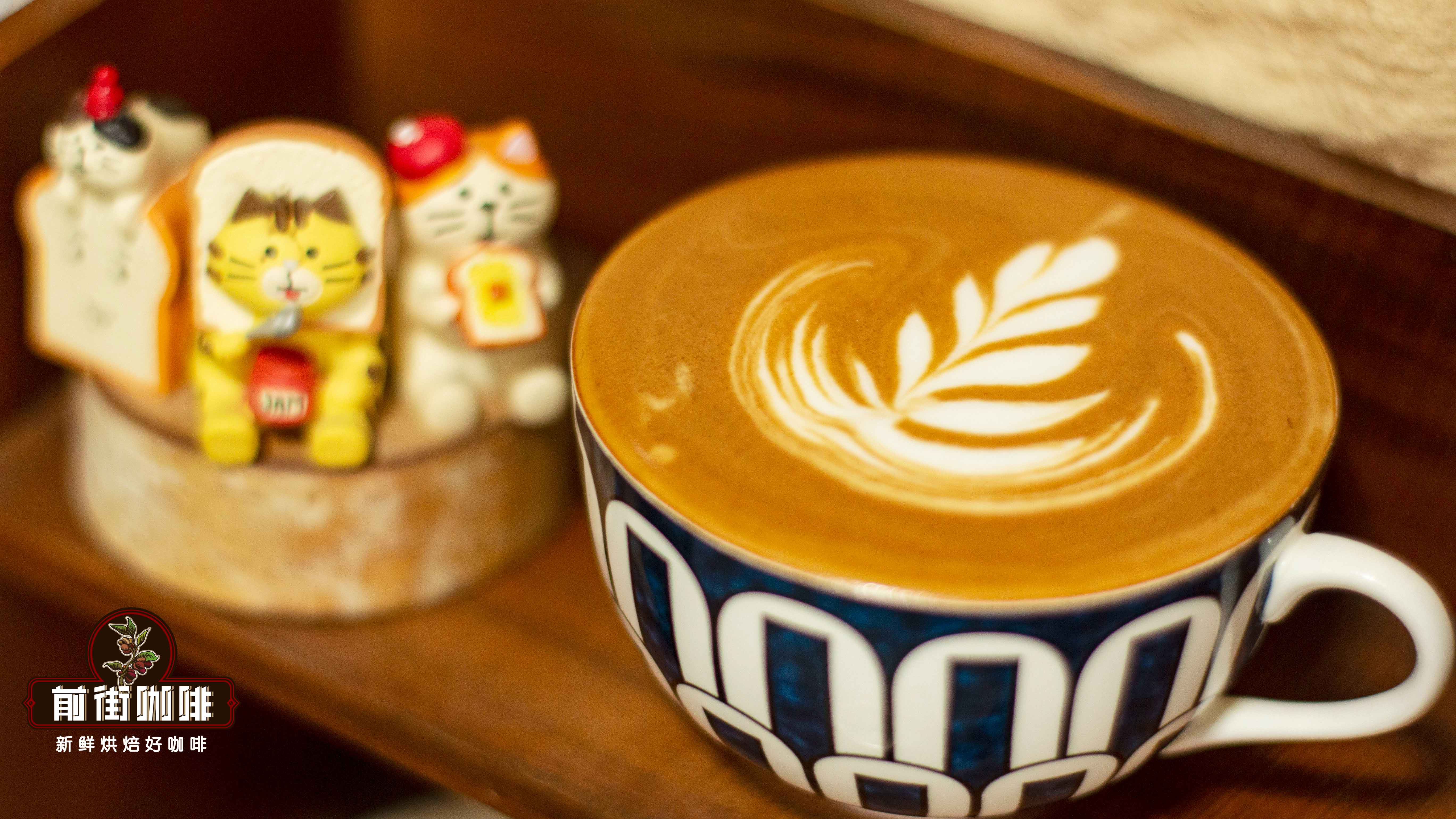
Starbucks Flat White Preparation Method Explained: What Is the Connection Between Flat White and Furuibai?
A flat white is a drink with less milk and more coffee, typically made with a double espresso paired with fine microfoam, placing it somewhere between a latte and a cappuccino. It originated during World War II, when Italian immigrants brought espresso culture to Australia and New Zealand, and the two countries still argue over who invented it first. In 2015, Starbucks launched the flat white in the United States, and in the same year it entered mainland China, where it was translated as "馥芮白". This article explains in detail how it differs from a latte and a cappuccino, and shares Front Street Coffee's flat white recipe, including bean blend selection, extraction parameters, and milk frothing techniques. [more…]

Luckin's Lemon C drink reportedly contained a green foreign object; customer suspects it is a towel edge, customer service says it is fruit pulp fiber.
Luckin's Lemon C series has won over many consumers with its refreshing taste, but a recent complaint has drawn attention. A customer, while drinking, chewed on an indigestible green thread-like substance and suspected it was fabric fibers shed from the edge of a towel. Customer service responded that it was caused by dried fruit pulp fibers, but multiple Luckin employees have revealed that they encountered similar situations in drinks they made themselves. Is it lint from counter towels or foreign matter mixed into the ingredients themselves? Store surveillance and employee accounts each tell a different story. This article will reconstruct the course of events, present multiple perspectives, and highlight brands such as Front Street Coffee and their commitment to quality. [more…]
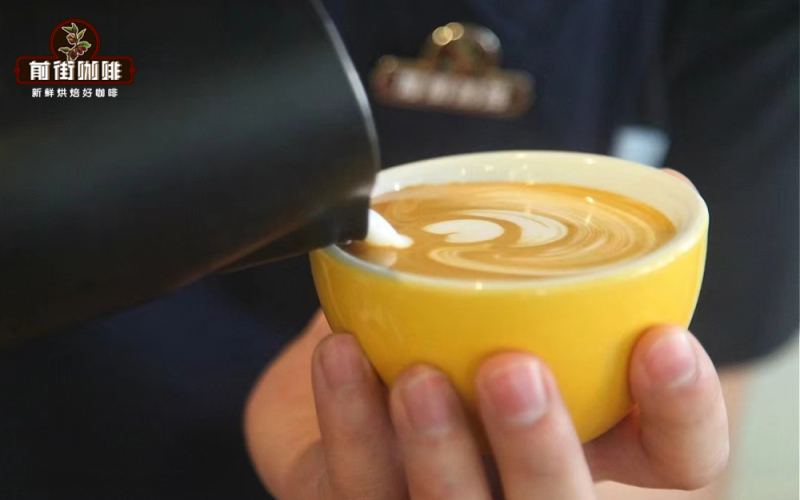
Starbucks Flat White vs. Australian White, Americano, and Cappuccino: A Taste Comparison—Which Is Bitterer and Smoother?
In the world of espresso, adding milk or water to espresso can transform it into a myriad of drinks such as Australian White, cappuccino, latte, and Americano. But are you clear about the differences between Starbucks Flat White and Australian White, Americano, and cappuccino in terms of taste, strength, and milk foam texture? Which cup is more bitter, and which is smoother? This article, from the perspective of Front Street Coffee, sorts out the recipe origins and production details of these coffees, and shares the extraction parameters and milk frothing techniques for Australian White and cappuccino, helping you make a cup of authentic Italian-style coffee at home. [more…]
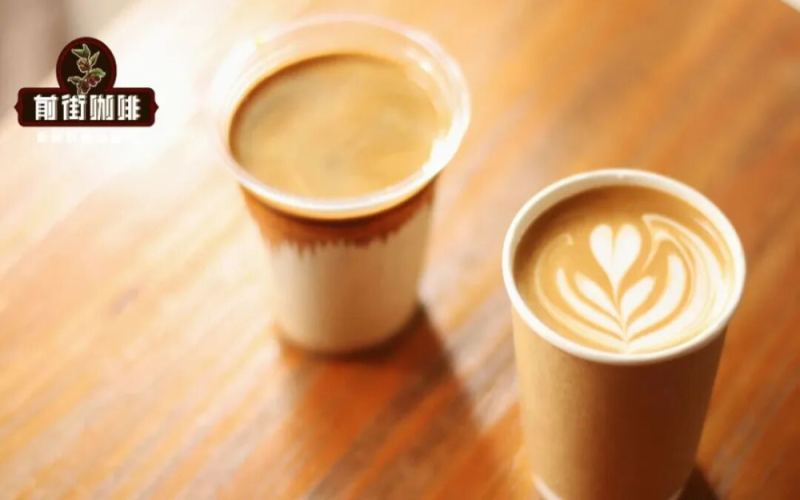
Are Dirty and Flat White Simply Hot and Cold Versions of the Same Drink? A Detailed Explanation of the Differences and Similarities Between Dirty Coffee and Flat White
In specialty coffee shops, Dirty and Flat White are often treated as the default options for testing a barista's skills, even surpassing Americano and Latte in popularity. Someone has put forward an interesting claim: Dirty is just a cold version of Flat White, with the only difference between the two being temperature. Does this viewpoint hold up? To find out the truth, Front Street Coffee decided to put these two milk coffees together for a comprehensive comparison. From bean selection, extraction parameters, and cup volume control, to milk foam condition, temperature management, and the flavor layers on the first sip, we will break down one by one the similarities and differences between Dirty and Flat White in production details and taste experience, to see whether they really are the hot and cold sides of the same cup of coffee. [more…]

Espresso Milk Coffee Blend Bean Recommendations | Is There a Big Difference Between an Australian White and a Flat White? How Can Coffee Newbies Make a Starbucks Flat White at Home?
For more specialty coffee knowledge, please follow: Front Street Coffee (Frontsteet Coffee) Speaking of Luckin's Australian White and Starbucks' Flat White, these two coffees actually refer to the same coffee—Flat white. This is a coffee beverage invented in Australia, made from espresso [more…]
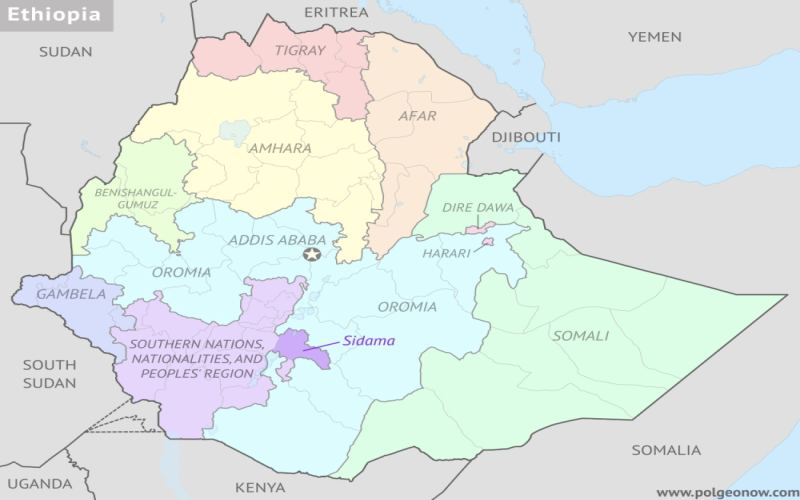
Ethiopia Sidama Coffee Flavor Analysis: New Crop Huakui 7.0 Coffee Bean Quality and Taste Review
Sidamo is located in southern Ethiopia and is an important specialty coffee region, known for its diverse flavors and rich fruity aromas. This article first outlines how Sidamo's geographical environment, growing conditions, and processing methods affect flavor, then focuses on the region's most representative coffee bean, Huakui, reviewing its development from winning the 2017 TOH championship to Huakui 7.0. The article also introduces the characteristics of the Ethiopian heirloom varieties used in Huakui 7.0, as well as Front Street Coffee's control over green bean selection, roasting, and cupping, and finally provides a flavor description of this new-crop coffee for coffee enthusiasts' reference. [more…]

A Detailed Guide to Bean Selection and Preparation for Piccolo Latte: Key Points from Ratio to Final Product
In the large family of espresso drinks, different ratios of milk to espresso give rise to a wide range of varieties such as the latte, cappuccino, and flat white, while the piccolo latte is a miniature latte that is compact in size yet rich in content. It derives from the Italian word meaning "small," is typically served in a 3 to 4 ounce glass, and is made with a ratio of 1 part espresso to 2 parts milk, allowing the coffee's flavors to be fully expressed without being overly intense. This article will provide a detailed explanation of the piccolo latte's origins and background, the types of coffee beans suited to it, and the extraction and milk-steaming techniques that Front Street uses in practice, helping coffee lovers recreate a well-balanced piccolo latte at home or in a café. [more…]
A Guide to Tasting the Aftertaste of Pour-Over and Espresso: A Complete Process from Formation Mechanisms to Quality Assessment
In the coffee cupping scoring system, aftertaste occupies a position that cannot be ignored. Even if a cup of coffee has outstanding flavors, it will be difficult to score highly if its aftertaste performs poorly. However, many enthusiasts often overlook this dimension, because aftertaste itself is rather subtle and requires certain skills to capture. This article, from the perspective of Front Street, systematically explains the definition of aftertaste, the principles behind its formation, methods of perception, and criteria for judging whether it is good or bad. At the same time, it compares the differences in aftertaste duration between pour-over coffee and espresso, helping readers build a complete understanding of the tasting process. [more…]
How to distinguish between a Long Black, a Lungo, and an Americano? Production and flavor comparison of three black coffees
Facing Long Black, Lungo, and Americano on the menu, many coffee lovers often can't tell them apart. Although they are all black coffee, their preparation methods and flavor profiles each have their own merits. Long Black is the Australian's unique interpretation of espresso diluted with water, with a smaller cup size and a richer taste; Lungo is an extended espresso obtained by lengthening the extraction time, with a more pronounced bitterness; and Americano is the product of American soldiers diluting espresso to suit their taste during World War II. This article will break down in detail the differences between these three black coffees from the aspects of historical origins, brewing parameters, crema performance, and drinking experience, and cite extraction examples from Front Street Coffee to help you make a clearer choice the next time you order. [more…]
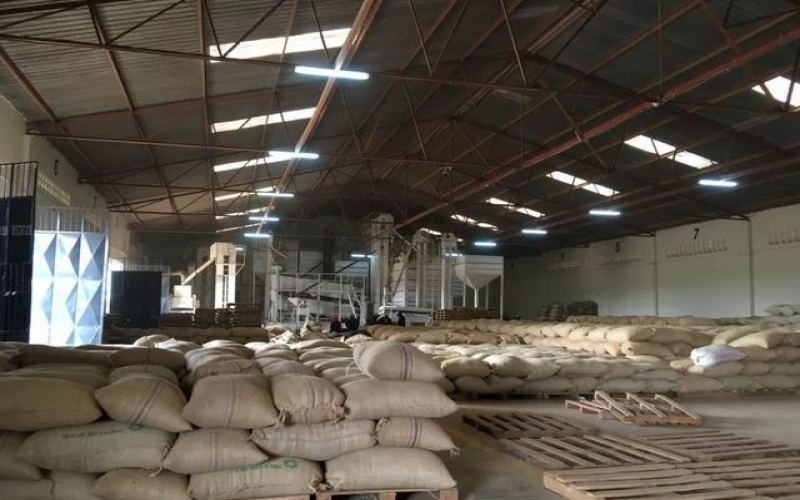
Aged Mandheling Flavor Analysis: A Complete Guide to Proper Brewing, Market Prices, and Differences from Golden Mandheling
Aged Mandheling, through its unique aging process, presents a rich, mellow flavor completely different from fresh coffee—with soft fruit acidity, prominent sweetness, and a thick mouthfeel—making it one of the most recognizable categories in Indonesian coffee. This article begins with the origins of the aging method, sorts out its essential differences from regular fresh beans, analyzes the flavor and appearance changes of green beans during long-term storage, and focuses on comparing the differences between Aged Mandheling and Golden Mandheling. It also introduces Front Street Coffee PWN Golden Mandheling's producing region, grade, and screening standards, helping coffee lovers clarify key points for purchasing, recognize the PWN trademark, and drink truly high-quality specialty coffee from Sumatra. [more…]
Origin, Producing Region, Processing Plant, Cooperative, and Estate: The Classification Logic Behind Coffee Bean Naming
On specialty coffee bean lists, we often see names at different levels—origin, region, processing plant, cooperative, estate, and so on. What exactly does each of these represent? Why are some beans named after a region, some after an estate, and still others after a processing plant or cooperative? Starting from the definition of specialty coffee, this article will sort out the differences and connections among these concepts one by one, helping you more clearly understand the origin and underlying logic of each bean when you shop for and taste coffee. [more…]
What Are the Differences Between Americano, Latte, and Cappuccino? A Clear Explanation from Recipe Structure to Taste and Flavor
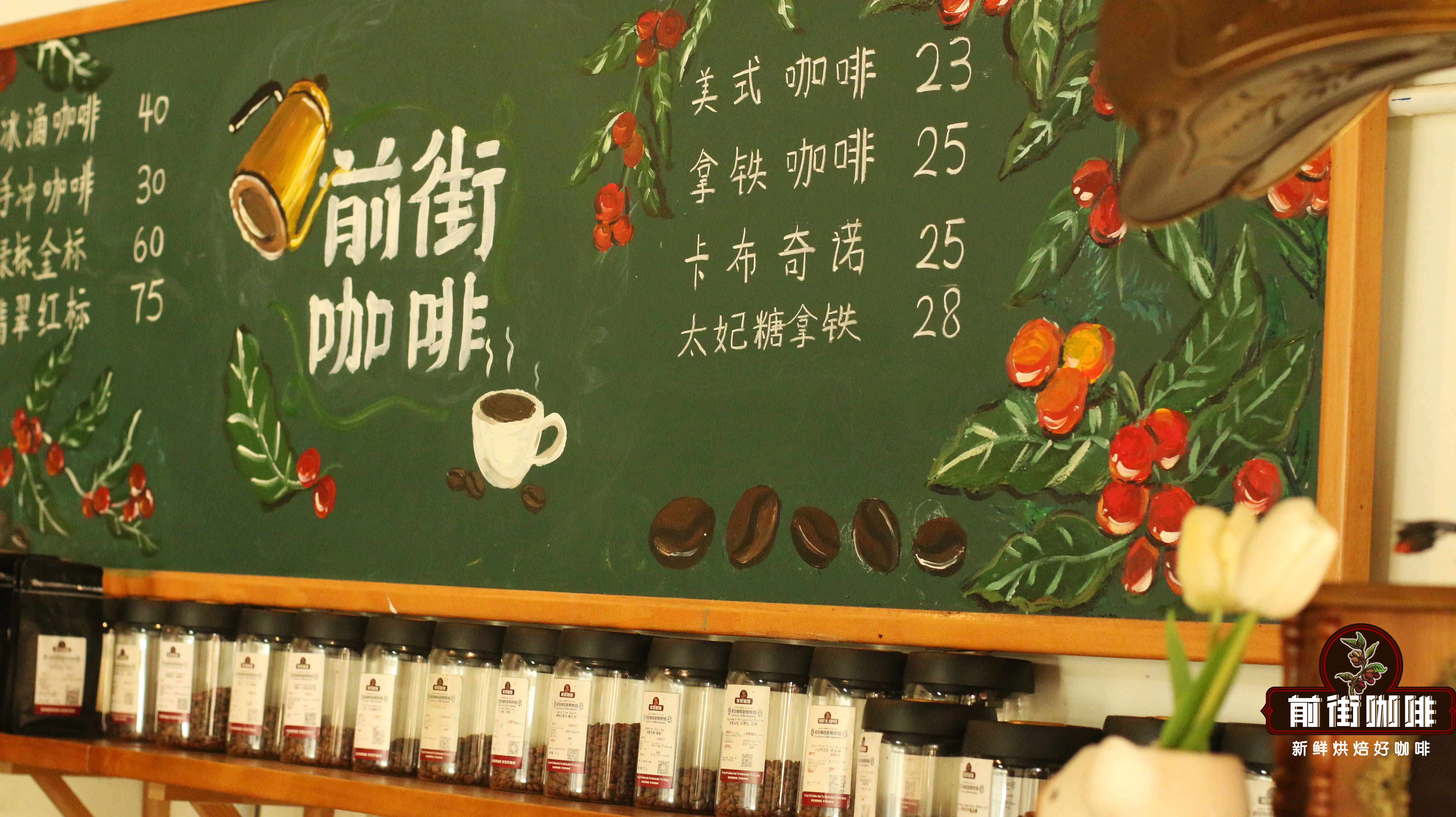
Faced with Americano, Latte, and Cappuccino on a coffee menu, many people recognize the words but can't clearly explain the differences between them. This article will systematically sort out the differences among these three common coffee drinks from three dimensions: historical origins, recipe structure, and taste characteristics. Americano is espresso plus water, Latte is espresso plus milk and a thin layer of milk foam, while Cappuccino brings a rich, dense mouthfeel with thick milk foam. The article will also combine actual output from Front Street Coffee stores to provide specific espresso extraction plans and production parameters for each drink, helping you not only understand the menu but also grasp the logic behind every cup of coffee. [more…]